
Habitat first
That is the core idea
Protect the forest and the rest can survive inside it.
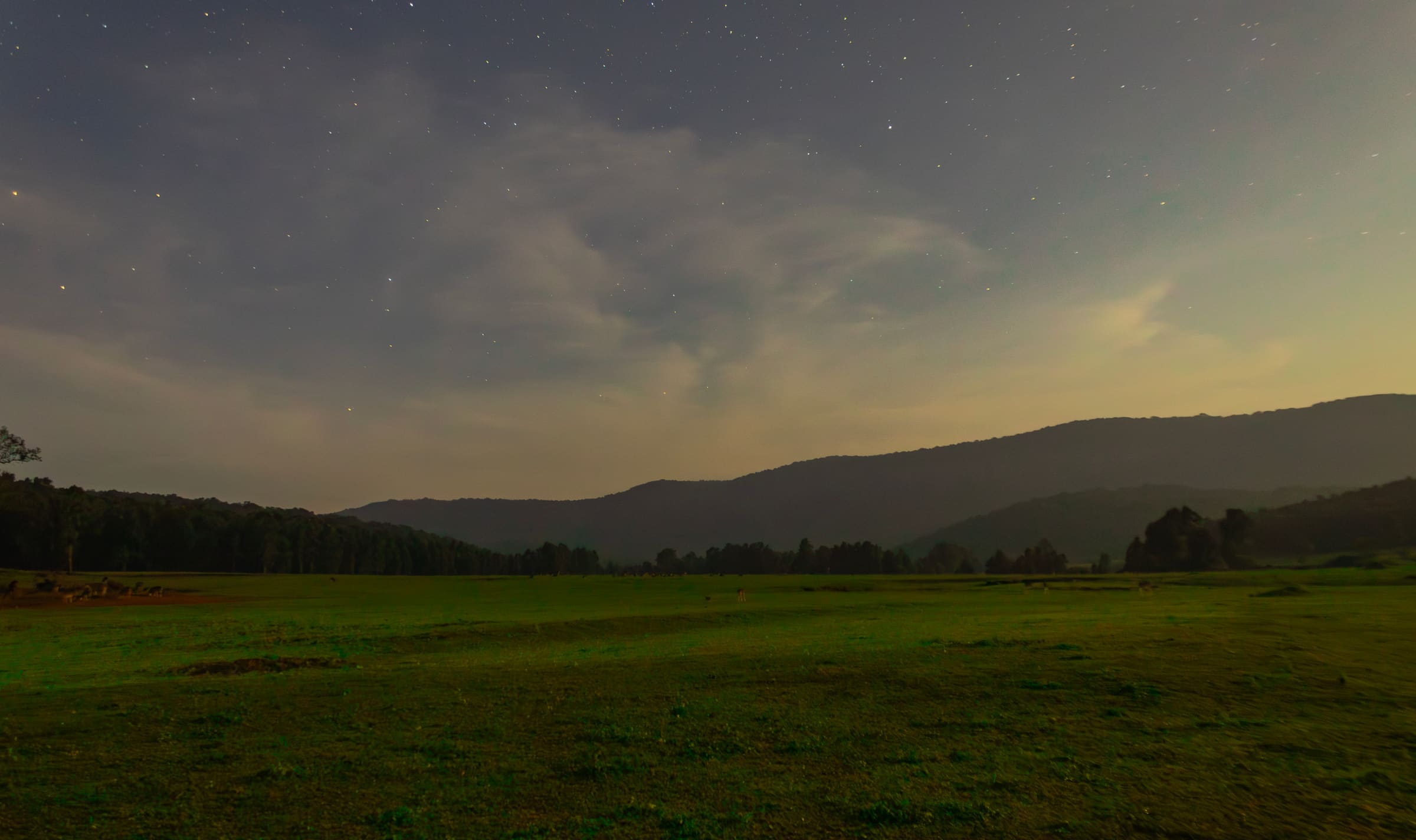
Habitat first
That is the core idea
Protect the forest and the rest can survive inside it.
Community role
People are part of the story
Conservation is stronger when local life and wildlife both matter.
Responsible tourism
A useful tool
Visitor spending can support care if the visit is handled well.
Rare tiger focus
The global attention point
The melanistic tiger makes the conservation message travel farther.
The bigger picture
People often arrive because of the black tiger, but they leave remembering the forest, the people who care for it and the fact that conservation here has to work across habitat, tourism and everyday life.
The reserve stays special because the habitat is still here. Forest protection is not abstract. It is the reason the wildlife story continues.
Local communities, forest staff and visitors all shape the future of the reserve. Conservation works better when everyone has a role.
The black tiger is the headline, but the forest itself is the foundation. If the habitat weakens, every species feels it.
The best kind of visit is the one that supports the reserve without turning it into a spectacle.
What makes it matter
That is why responsible travel matters here. A great visit should support the reserve, not just consume it.
Respect the rules because the forest depends on it, not because it is a formality.
Spend time learning the habitat story. It makes the wildlife story stronger.
Good tourism should feel calm, local and low-impact.
If Similipal keeps its wild character, the black tiger story keeps its meaning too.
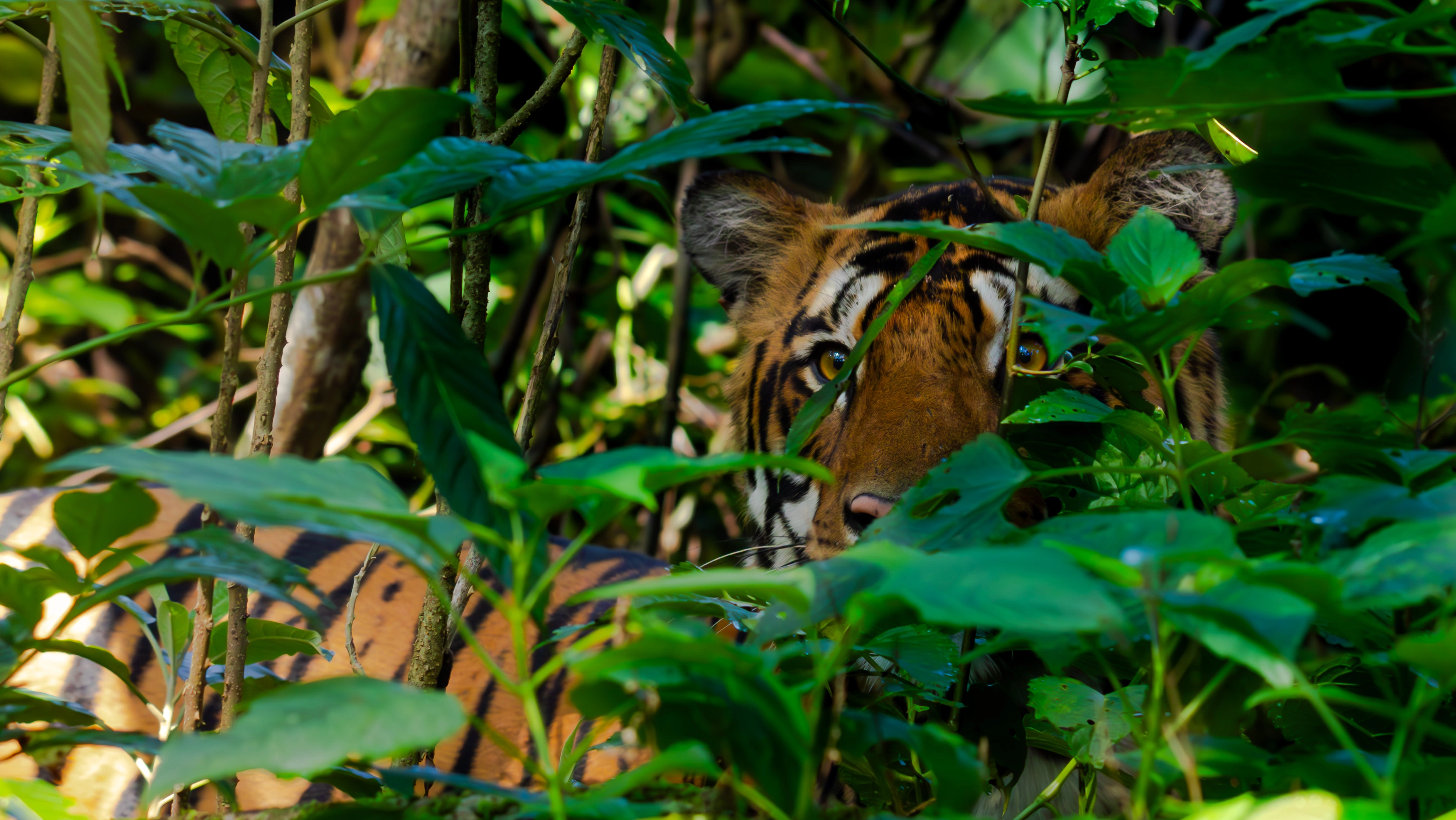
Act like a good guest
The best next step is simple: check the visitor rules, safari details and wildlife pages before you travel.